
TL;DR: The difference between sanitizing and disinfecting affects how well germs are controlled at home. Knowing the difference between sanitize and disinfect helps you choose the right cleaning approach.
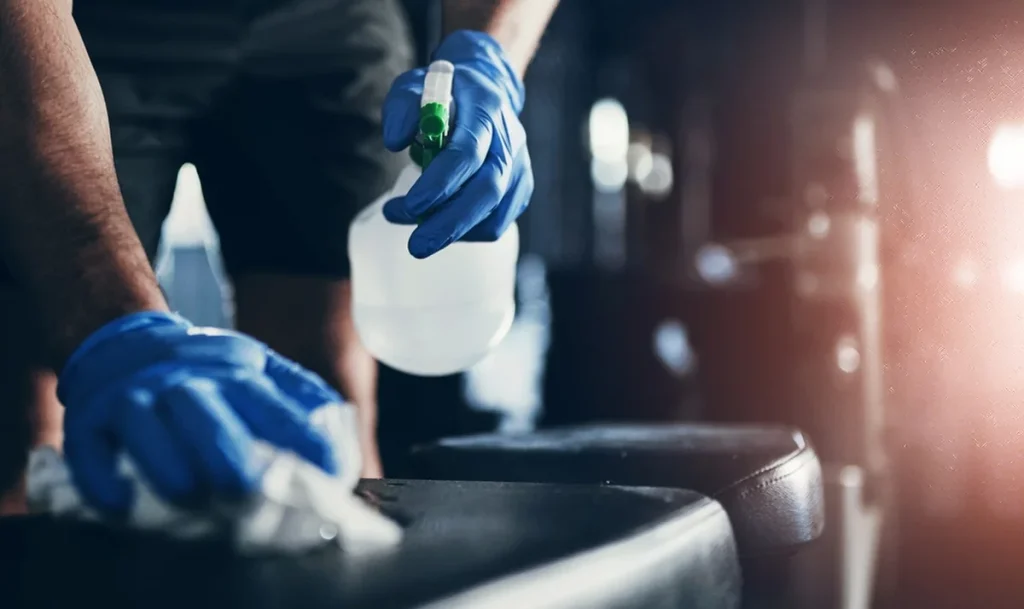
- Sanitizing lowers bacteria to safer levels for everyday household surfaces
- Disinfecting surfaces kills many bacteria and viruses that spread illness
- Clean first to remove dirt before sanitizing or disinfecting
- Focus on high-touch areas such as switches, handles, and bathroom fixtures
- Use proper contact time so disinfectants can destroy harmful germs
The right method helps keep your home clean, safe, and healthier.
Keeping a healthy home starts with knowing how to remove germs from indoor surfaces. Many people use the terms “sanitize” and “disinfect” as if they mean the same thing. In truth, they describe two different cleaning methods.
Knowing when to sanitize and when to disinfect matters. It helps you choose the right cleaning method for each task. Some situations only require reducing bacteria. Others call for stronger protection to kill harmful germs.
This guide explains how sanitizing and disinfecting work and when each method is the better choice. With the right approach, it becomes easier to keep your home clean and sanitized. You will also feel more confident about how and when to use each method.
Why the Difference Matters
Every home collects germs throughout the day. They cling to hands, shoes, groceries, and pets. These germs often settle on common household surfaces. Counters, door handles, light switches, and bathroom fixtures quickly collect them.
Regular cleaning removes dirt and debris. But it does not always remove germs from indoor surfaces.
That is why sanitizing and disinfecting both play a role in household cleaning. Each method targets germs differently.
Learning when to sanitize and when to disinfect your house helps make your cleaning routine more effective. It also helps protect the people who live in your home.
What It Means to Sanitize
Sanitizing lowers the number of bacteria on a surface. The goal is to bring germ levels down to a safer range.
This process does not remove harmful germs. Instead, it reduces bacteria to a level considered safe for daily contact.
Sanitizing is often used in kitchens and food preparation areas. For example, a sanitizer may be used on countertops, cutting boards, and dining tables after cooking.
The purpose is to keep food contact areas safe while maintaining a clean and sanitized environment.
Sanitizing also works well when surfaces already look clean but may still carry bacteria.
What It Means to Disinfect
Disinfecting is a stronger process. Disinfectants are designed to kill a wide range of germs on hard surfaces. This method targets bacteria, viruses, and other germs that may cause illness.
Disinfecting surfaces is common in bathrooms, kitchens, and other areas where germs spread easily. High-touch surfaces such as door handles and switches also often need regular disinfecting.
Most disinfectants require a degree of contact time, or dwell time. The product must remain on the surface long enough to destroy germs.
If someone in the home has been sick, it is often recommended to disinfect your house, especially in shared spaces.
The Key Difference Between Sanitizing and Disinfecting
The main difference between sanitizing and disinfecting is how strongly each method targets germs.
Sanitizing lowers bacteria to safer levels for everyday contact. Disinfecting kills a wider range of germs, including many bacteria and viruses.
Sanitizing is effective for routine cleaning in kitchens and food-preparation areas. Disinfecting is better suited to spaces that need stronger germ control.
Both methods support a clean and healthy home. The right choice depends on the surface and the situation.
When to Sanitize
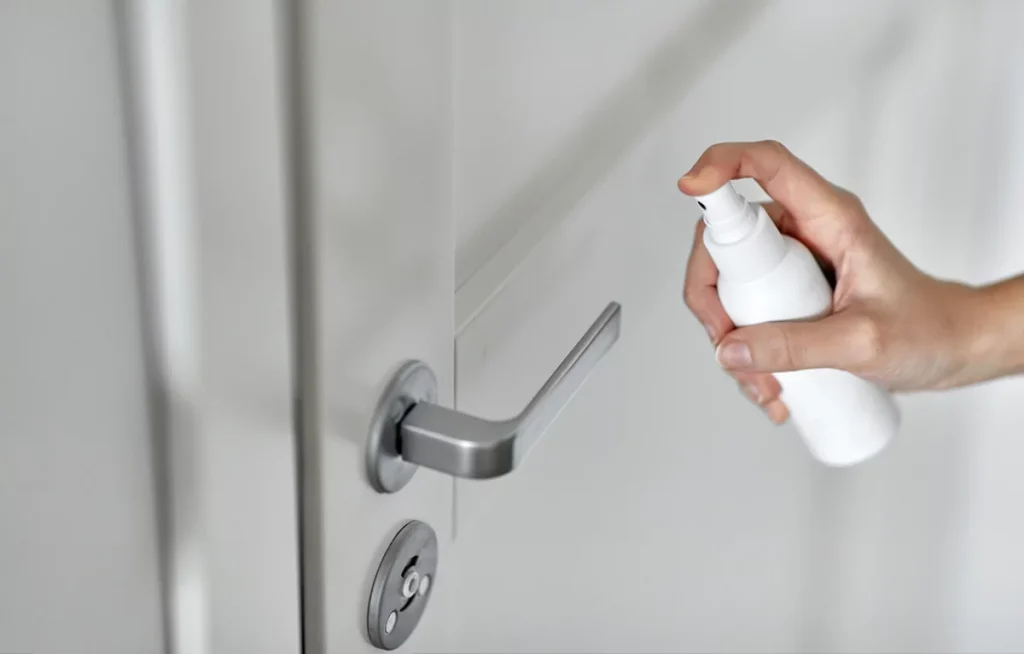
Sanitizing is useful for everyday cleaning. It helps reduce bacteria without using stronger chemicals.
Common situations that benefit from sanitizing include:
- Kitchen counters after food preparation
- Dining tables and eating areas
- Children’s toys and play surfaces
- Surfaces that look clean but may carry bacteria
Regular sanitizing helps keep bacteria levels low during daily activities.
When to Disinfect
Disinfecting surfaces is recommended when germs are more likely to spread.
You may want to disinfect your house in situations such as:
- After illness in the household
- Bathroom surfaces and toilets
- Trash containers or heavily used surfaces
- High-touch points such as handles and switches
In these areas, germs collect quickly. Disinfecting helps reduce the risk of spreading bacteria and viruses.
Practical Sanitizing and Disinfecting Tips
Good cleaning habits make sanitizing and disinfecting more effective. Simple routines also help maintain better hygiene throughout the home.
These sanitizing and disinfecting tips can improve everyday cleaning:
- Clean visible dirt before using sanitizers or disinfectants
- Follow label instructions for contact time
- Focus on high-touch surfaces throughout the home
- Use separate cloths for kitchens and bathrooms
- Wash cleaning tools often to prevent germ buildup
Consistent cleaning habits help remove germs from indoor surfaces. They also support a healthier home environment.
Keeping Your Home Clean and Sanitized
Healthy homes rely on simple daily habits. Wiping counters, cleaning shared surfaces, and washing hands all help reduce bacteria.
Sanitizing supports routine cleaning tasks. Disinfecting surfaces provides stronger protection when needed.
Using both methods together helps keep your home clean and sanitized.
Know the difference between sanitize and disinfect. Then choose the right cleaning approach for the task.
Protect Your Home with Professional Help
Understanding the difference between sanitize and disinfect helps you manage everyday cleaning.
However, some situations need a deeper level of protection. Professional cleaning services can help provide that extra level of support. They focus on thorough disinfecting of high-touch areas and shared spaces throughout the home.
Learn more about our whole-home disinfecting service here.
Frequently Asked Questions
Sanitizing works well for everyday cleaning tasks such as kitchen surfaces and food prep areas. Disinfecting surfaces is helpful when stronger germ control is needed. This often applies after illness or on high-touch surfaces.
Sanitizing reduces the number of bacteria on a surface. Disinfection kills many types of bacteria and viruses. The difference between sanitize and disinfect mainly relates to the level of germ control.
Alcohol can disinfect when used at the correct concentration. Many products contain about 70 percent alcohol, which helps kill bacteria and viruses on surfaces and hands.
A disinfectant kills many harmful germs on hard surfaces. A sterilizer removes nearly all bacteria, including spores. Sterilization is most used in medical settings.
Cleaning should always come first. Dirt and debris can prevent disinfectants from reaching germs. Removing visible mess allows disinfecting products to work properly.







How did you hear about us?
Pleas let us know how you heard of us
to improve our marketing