Quick summary: After someone has been sick, a careful reset stops germs spreading. It also makes shared spaces feel fresh again. This guide explains how cleaning, sanitizing and disinfecting differ. Then it walks through each room in order.
- Clean visible dirt first, then disinfect high-touch surfaces.
- Sanitize food areas and toys; disinfect bathrooms and shared touchpoints.
- Wash bedding, towels and clothing used during the illness.
- Open windows and run fans to move stale air out.
- Leave disinfectant wet for the full contact time on the label.
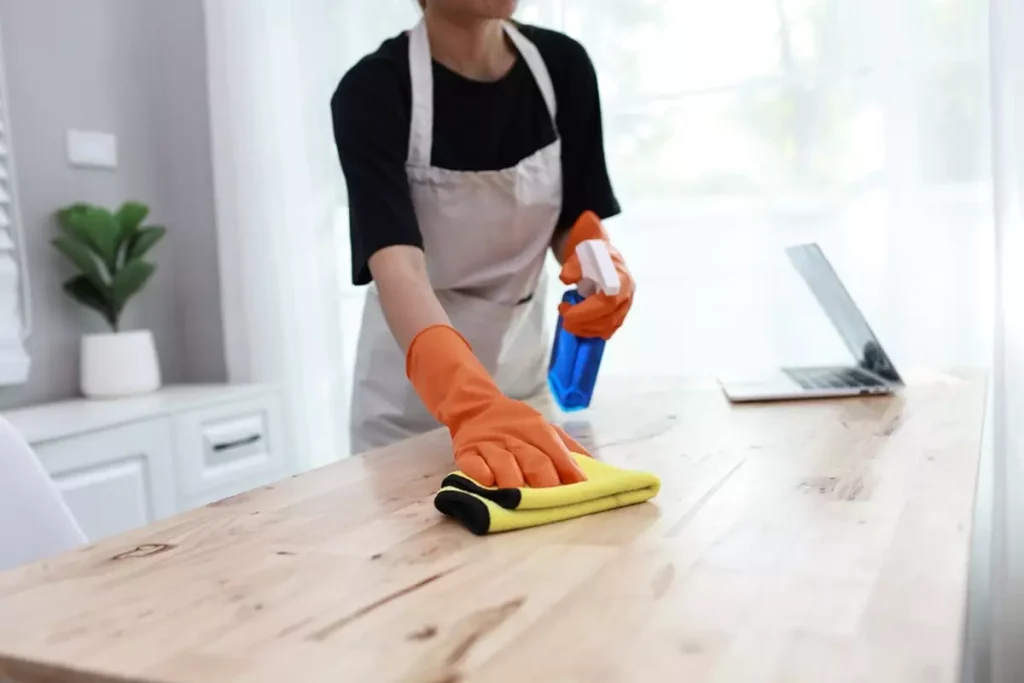
When someone at home has been sick, a deeper clean helps. The house feels normal again, and germs are less likely to spread.
This is household cleaning guidance, not medical advice. If anyone is seriously unwell, follow the advice of their doctor.
Cleaning, Sanitizing and Disinfecting Are Not the Same
People mix these words up, but they mean three different jobs. So the first step to disinfect your home well is knowing which job each surface needs.
Cleaning removes dirt, dust and many germs with soap and water. It does not kill germs. It just lifts a lot of them away.
Sanitizing cuts germs down to a safe level for everyday use. It lowers them but does not remove them all.
Disinfecting uses a product to kill the germs named on its label, on hard surfaces. The CDC’s guide to cleaning, sanitizing and disinfecting sets out the distinction clearly.
Order matters. Always clean first, since dirt hides germs from the product.
When to sanitize
Sanitizing suits routine cleaning where surfaces touch food or mouths.
- Kitchen counters after food preparation
- Cutting boards and dining tables
- Children’s toys and play surfaces
- Surfaces that look clean but see regular use
When to disinfect
Disinfecting suits places where germs spread easily, and it becomes the priority after illness.
- Bathroom surfaces, toilets and taps
- Door handles, light switches and remotes
- Trash containers
- Any shared surface the sick person touched
Start With High-Touch Surfaces
Start where hands touch most. That is where germs pass between people, so disinfect these spots first.
- Doorknobs and handles
- Light switches
- Faucets and toilet flushers
- Remote controls
- Phones and tablets
- Countertops
- Refrigerator and microwave handles
Wipe away visible dirt with a household cleaner first. Then apply an appropriate disinfectant and follow the CDC’s guidance on when and how to disinfect.
Choose the Right Disinfecting Products
What you can disinfect depends on the product. Each one lists the germs it works on, so read the label instead of guessing.
Most need the surface to stay wet for a set time, called contact time. The EPA’s list of registered disinfectants shows the contact time for each.
This is the step people rush. Spray and wipe at once, and the product rarely has time to work. Take extra care near food, toys and delicate surfaces.
Alcohol products can disinfect at the right strength, usually about 70 percent. Never mix cleaning products, especially anything containing bleach.
Disinfect the Bathroom Carefully
Bathrooms need the most care after an illness, especially a shared one. Clean and then disinfect sinks, faucets, counters, toilet seats, flush handles and light switches.
Use separate cloths or disposable wipes for the toilet area. That stops you carrying germs from one surface to the next. Wash your hands when you finish.
Refresh the Kitchen
The kitchen comes next, since shared meals put every hand on the same surfaces. Here you sanitize some things and disinfect others.
Clean food preparation areas first, then sanitize counters and tables. Disinfect cabinet pulls and appliance handles. Check the fridge for old leftovers, since eating habits often change during illness. Wash dishes as normal or run them through the dishwasher.
hat should be discarded. Wash dishes as usual with dish soap or run them through the dishwasher.
Wash Bedding, Towels and Clothing
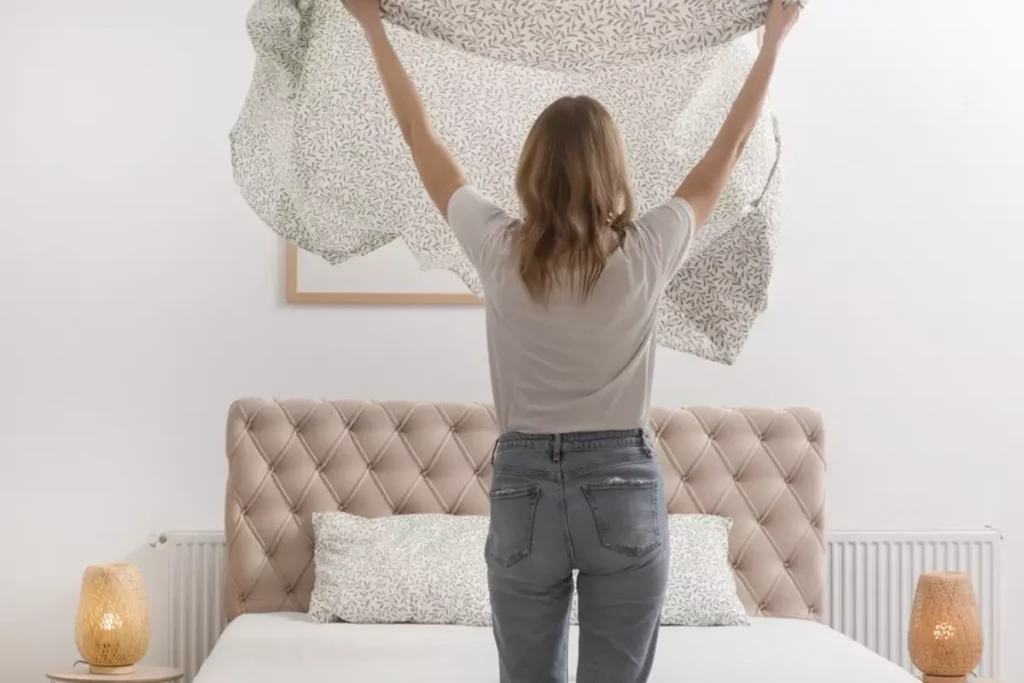
You cannot disinfect soft items with a spray, so laundry does the work. Wash sheets, pillowcases, blankets, towels and clothing used during the illness.
Use regular detergent and dry everything fully. Avoid shaking dirty linens, since that releases particles into the air. Fresh bedding also makes the recovery space far more comfortable.
Improve Airflow Indoors
Fresh air matters as much as the products you use to disinfect, especially after a chest or throat illness. Open windows when the weather and outdoor air quality allow, and run bathroom and kitchen exhaust fans.
There is no single rule for how long to air out a room. Still, bringing in fresh air while you clean supports a healthier indoor environment.
Disinfect Shared Personal Items
Some items are easy to miss, yet they pass between hands all day. Disinfect these where the manufacturer allows:
- Phones and tablets
- Gaming controllers
- Remote controls
- Reusable water bottles
- Thermometers, if the label permits
Check manufacturer instructions before cleaning any electronics. If a device cannot be disinfected safely, wipe it with the recommended method instead.
Common Disinfecting Mistakes
When people fail to disinfect a home well, a few habits are usually to blame.
Skipping the clean. Disinfectant cannot reach germs under dirt or residue.
Wiping too soon. The surface must stay wet for the full contact time.
One cloth for every room. Switch cloths between bathroom and kitchen, or germs travel with you.
Using a sanitizer where you need a disinfectant. A kitchen sanitizer is not the right product for a toilet after illness.
Keeping on top of routine cleaning makes all of this easier. A steady house cleaning schedule and knowing how often to deep clean both reduce what you face after someone gets sick.
When Professional Help Makes Sense
Most households can disinfect after a minor illness themselves. Some situations call for more support, though.
A professional service helps when several rooms need work or someone at home is vulnerable. It also helps when you would rather rest than clean.
Tom from Presto Cleaning shares, “If you only have a week (business days) of sick leave, that is an extra 2.7 percent that you aren’t covered for. This becomes exponential for each member of your household, especially children who need to stay home from school or childcare and require a parent at home with them.“
Learn more about our whole home disinfecting service here.
Disinfecting FAQs
These are the questions people ask most about how to disinfect after an illness.
How do you disinfect a house after sickness?
Clean visibly dirty surfaces with soap or detergent first. Then disinfect high-touch hard surfaces with a suitable product, focusing on bathrooms, kitchens, handles, switches and remotes.
What is the difference between sanitizing and disinfecting?
Sanitizing lowers germs to a safe level for everyday contact. Disinfecting kills the specific germs listed on a product’s label. Sanitize food areas; disinfect bathrooms and shared touchpoints.
Should I sanitize or disinfect?
Sanitize for routine kitchen and food-prep cleaning. Disinfect after illness and on high-touch surfaces where germs spread easily.
How long should you air out a room after being sick?
There is no fixed time for every home. Open windows when safe and practical, and use fans or ventilation where possible.
Do I need to wash my sheets after being sick?
Yes. Launder bedding and towels used during the illness with detergent, dry them fully, and avoid shaking them before washing.
Does alcohol disinfect?
It can, at the right strength. Many products use about 70 percent alcohol, which works on many bacteria and viruses.
What is the difference between a disinfectant and a sterilizer?
A disinfectant kills many harmful germs on hard surfaces. A sterilizer kills nearly all germs, including spores. It is mainly used in hospitals.
Get Your Home Back to Normal
Knowing how to disinfect properly makes recovery calmer for everyone in the house. If you would rather hand the job over, we can help.
Presto Cleaning serves Hillcrest, Mission Hills, North Park, Normal Heights, Bankers Hill, South Park, Talmadge, University Heights and the surrounding service areas.
Call 619-366-0886 for a free quote, or book a fifteen minute walkthrough.


How did you hear about us?
Pleas let us know how you heard of us
to improve our marketing