
TL;DR:
If allergies feel worse at home, your house may be the reason. A deep clean house helps cut allergens, freshen the air, and make the space feel calmer, even when life is busy.

- Allergens come in on shoes and pets, then settle into fabrics and hidden spots
- Surface cleaning misses dust and dander trapped in carpets, upholstery, vents, and bedding
- Moisture in kitchens and bathrooms can fuel mold and trigger symptoms
- Deep cleaning lifts buildup and helps stop particles from cycling through the air
- Simple habits after a deep clean help keep results in place for longer
The result is a home that feels easier to breathe in and more comfortable day to day.
If your allergies seem worse at home than anywhere else, you are not imagining it. Many San Diego homeowners feel fine outside, then start sneezing as soon as they step inside.
Life gets busy. Cleaning slips down the list. Over time, allergens in the home quietly build up and affect how you feel every day.
A deep clean house does more than look good. It supports better breathing, better sleep, and a calmer space to unwind. When dust, pet dander, and mold are kept in check, your home becomes a place of relief instead of irritation.
Let’s look at how allergens build up and why surface cleaning falls short. And how deep cleaning helps remove the issue. This guide also explains how to reduce allergens in home spaces.
How Allergens Build Up Inside Your Home
Allergens enter your home in simple, everyday ways. Shoes track in pollen. Pets shed skin and hair. Windows let in outdoor particles. Humidity encourages mold growth in quiet corners.
Once inside, these particles settle. They cling to rugs, upholstery, bedding, vents, and shelves. Regular tidying helps, but it often misses the areas where allergens prefer to hide.
Dust is one of the biggest contributors. It is not just dirt. It carries pollen, skin flakes, fabric fibers, and microscopic pests. Without thorough cleaning, these particles keep circulating through the air.
Why Allergy Symptoms Flare Indoors
Many homeowners assume allergies only come from the outdoors. In reality, indoor air quality often plays a larger role.
Allergens in the home become airborne when you walk, sit, or open doors. Each movement stirs particles back into the air.
That is when symptoms show up. Sneezing. Itchy eyes. Congestion. Fatigue.
Humidity also matters. Coastal San Diego homes can trap moisture, especially in bathrooms, kitchens, and closets. Mold spores thrive in damp spaces and can cause ongoing discomfort if ignored.
Why Surface Cleaning Is Not Enough
Wiping counters and vacuuming crumbs helps, but allergens settle far deeper. They settle into fabrics, cracks, and hard-to-reach spaces.
A deep clean house targets areas that standard routines skip. It focuses on buildup, not just appearance. This kind of cleaning removes particles that have been sitting for weeks or months.
Without deep cleaning, allergens continue cycling through the home. Even a tidy space can still affect sensitive lungs.
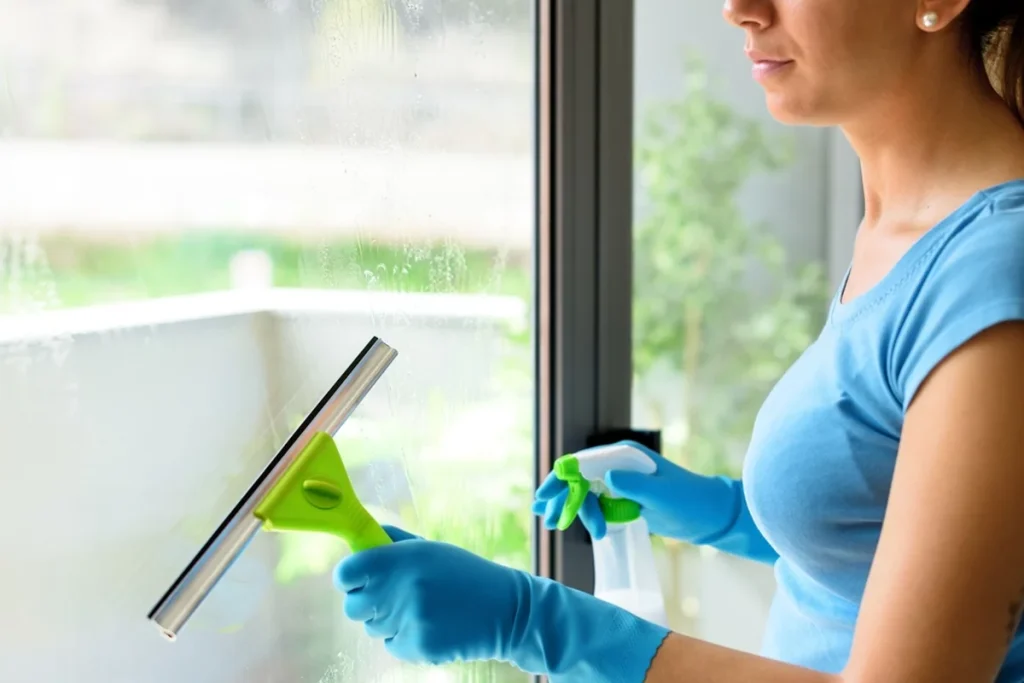
Key Areas to Focus During a Deep Clean
Rugs and Carpets
Carpets act like filters. They trap dust, pet dander, and pollen with every step. Over time, those particles sink deep into the fibers.
A proper deep clean rug process lifts allergens that regular vacuuming cannot reach. Steam cleaning or professional extraction removes embedded debris and refreshes the room.
Upholstery and Soft Surfaces
Couches, chairs, and curtains collect allergens quickly. Fabric holds onto particles and releases them whenever someone sits down.
Vacuum upholstery using proper attachments. Wash removable covers when possible. This step alone can noticeably reduce dust in home spaces where families spend the most time.
Hard-to-Reach Dust Zones
Dust loves forgotten areas. Ceiling fans. Baseboards. Air vents. Blinds. These spots release particles into the air when disturbed.
A thorough clean and dust routine should move top to bottom. That approach prevents allergens from resettling on freshly cleaned surfaces.
Kitchens and Bathrooms
Moisture makes these rooms a magnet for mold. Even small patches under sinks or around grout can contribute to allergy symptoms.
Scrubbing these areas and improving ventilation reduces allergens where humidity builds up most.
Bedrooms and Bedding
Bedrooms deserve extra attention. You spend hours breathing the air here each night.
Wash bedding weekly in hot water. Vacuum mattresses and bed frames. Keep clutter minimal. These habits make a meaningful difference in how rested you feel.
Practical Strategies to Reduce Allergens Long Term
Deep cleaning works best when paired with simple habits that maintain results.
Use high-quality vacuum filters designed to trap fine particles. Replace air filters regularly. Keep windows closed on high pollen days. Remove shoes at the door.
Wash pet beds and toys often. Groom pets regularly to limit shedding indoors. Use exhaust fans to control moisture.
These small steps support deep cleaning and slow allergen buildup over time.
When Professional Deep Cleaning Makes Sense
Busy schedules make it hard to tackle every corner. That is understandable. A professional deep clean house service offers tools and experience beyond routine cleaning.
Professional teams know where allergens hide and how to remove them safely. They use equipment designed to capture fine particles instead of spreading them.
For homeowners managing allergies, this support can be a turning point. The goal is not perfection. It is comfort. Clean air. Peace of mind.
A Healthier Home Feels Different
When allergens are reduced, homes feel lighter. The air smells fresher. Surfaces stay cleaner longer. Allergy symptoms ease.
Deep cleaning is not about chasing dust endlessly. It is about creating a space that supports your well-being when time feels short.
Your home should help you recharge, not wear you down. Learn more about our deep cleaning services here.
FAQs
Yes. Deep cleaning removes allergens that regular cleaning leaves behind. Targeting rugs, upholstery, vents, and hidden buildup reduces airborne particles that trigger symptoms.
If symptoms improve when you leave home and return when you come back, indoor allergens may be the cause. Persistent sneezing, congestion, or itchy eyes indoors are common signs.
Light cleaning should happen weekly. Deep cleaning works best every few months. More often is necessary when pets, humidity, or severe allergies are present.
Dust mites are microscopic, so you cannot see them. Signs include allergy symptoms that worsen in bedrooms, especially after sleeping. Regular washing of bedding and deep cleaning help control them.
A thoughtful deep clean is one of the most effective ways to support a healthier home. With the right approach, your space can feel easier to breathe in and calmer to live in.









How did you hear about us?
Pleas let us know how you heard of us
to improve our marketing